Blog

  • Roll Actuators

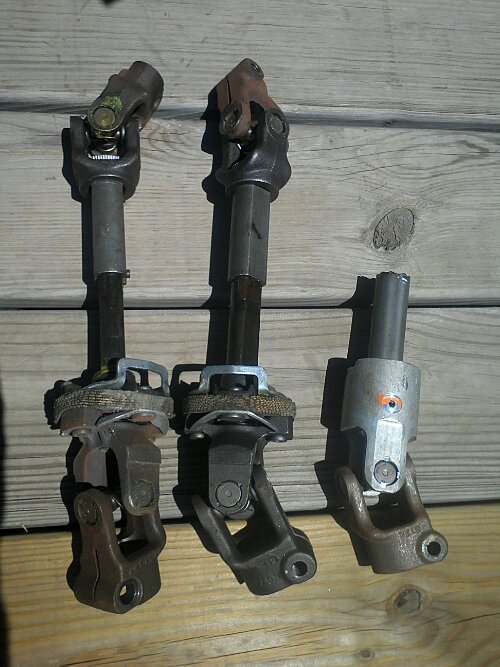
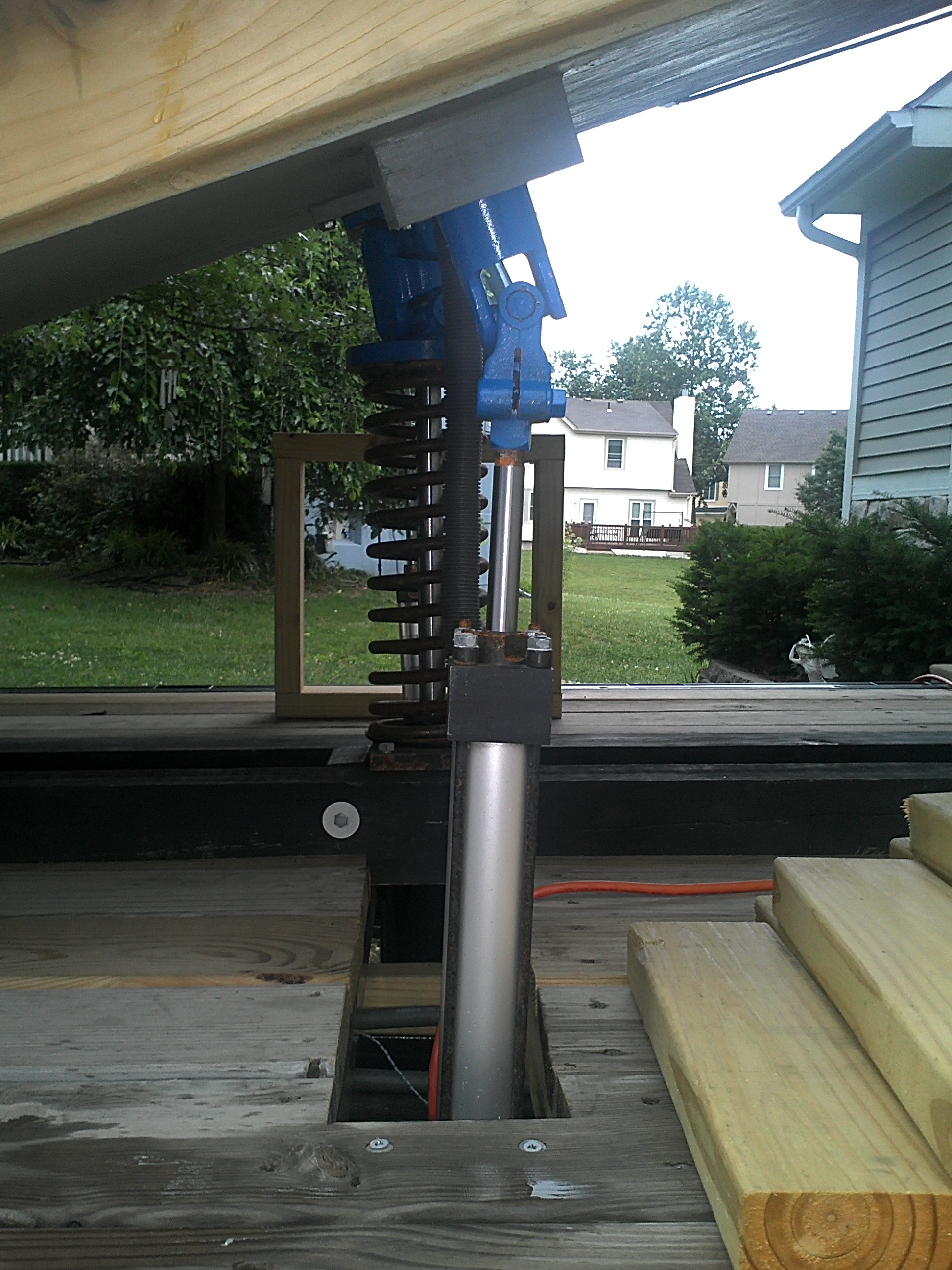
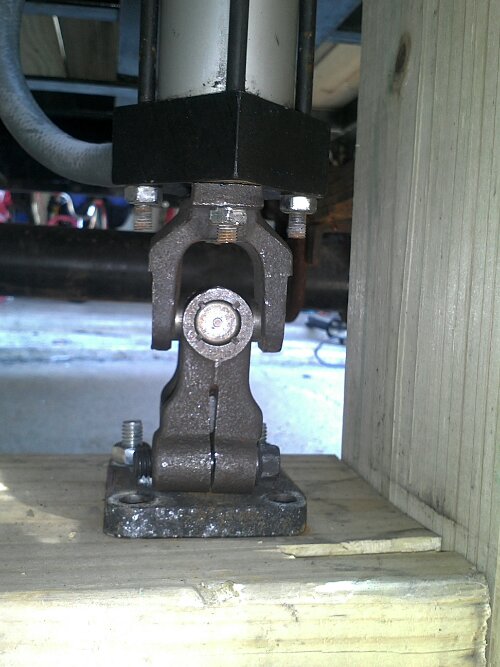
    I cut the U-joint and widened the holes slightly where it is now attached to the base of the actuator.  Then I used the existing eye bracket by trimming about a quarter inch from the front, back, and top so it fit inside where the spline shaft goes.  Only thing now is to find two half-height nuts to reattach the bottom flange but it isn’t going anywhere.

    I tested it out and immediately notice a reduction in friction (no force on the linear bearing anymore).  There is just enough room for the actuator to move around without hitting the deck of the trailer.



  • Prometheus

     Saw it at 12:01 this morning with my dad in IMAX 3D.  Quite a ride!  The sets and special effects were everything I expected.  The acting was great.  The music start out great but ended on a good note (pun intended). The story was good… it has a couple of holes that could probably be explained away but for the masses it will be a head-scratcher.  Definitely a prequel to Alien, no doubt about it… but we are on LV-223 (if you missed it) not LV-426.

    Stopped at the salvage yard on the way home.  They wanted $35 on average for a spring/strut assembly and wouldn’t sell the spring separately even if I had the right tool (which I didn’t). They also only had one of the U-joints that I liked so I ended up having to buy something different.

  • Motion Tests Day 6

    A few notable changes in the software between day 5 and today:

    Dynamic control limit for joystick (0-20 degrees)
    Calculating and logging acceleration rate
    Clamping rate desired and rate differential
    Heave is now enabled again
    Configurable frame time
    Two additional event buttons
    Fixed counter for 10 second min/max calculations
    Fixed min/max calculation (not resetting pit/rol rates)
    pitlimit was NAN

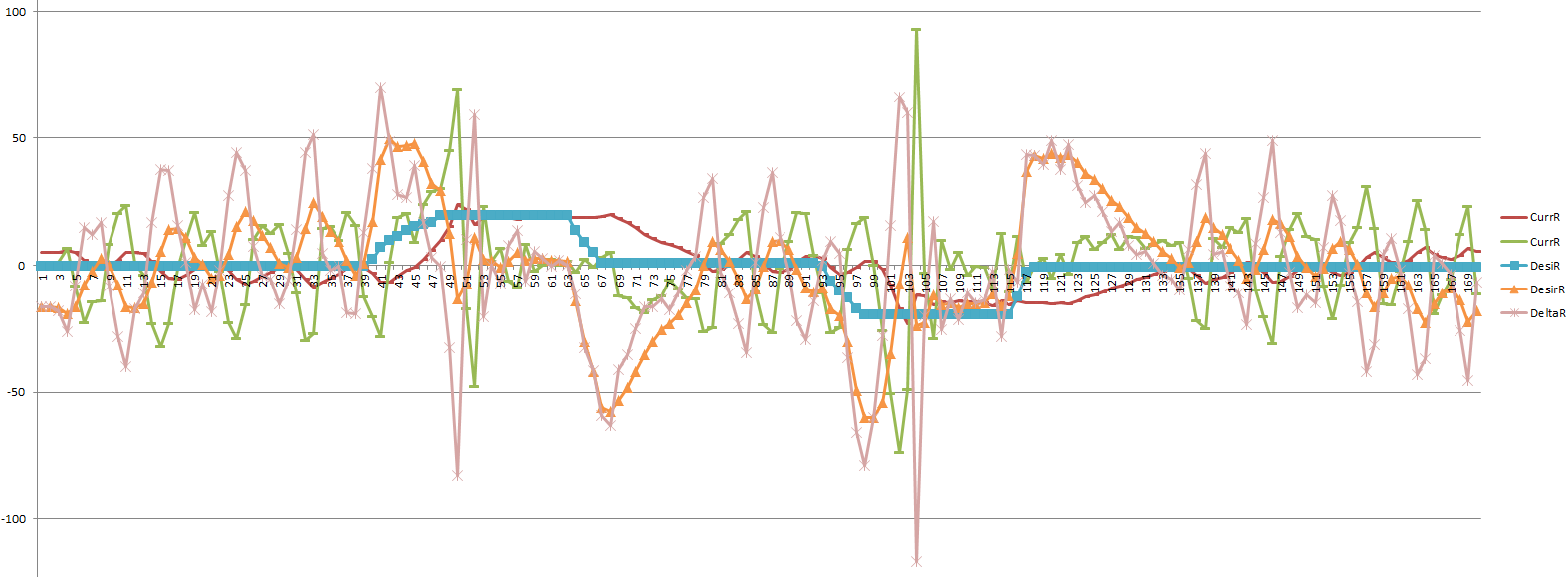
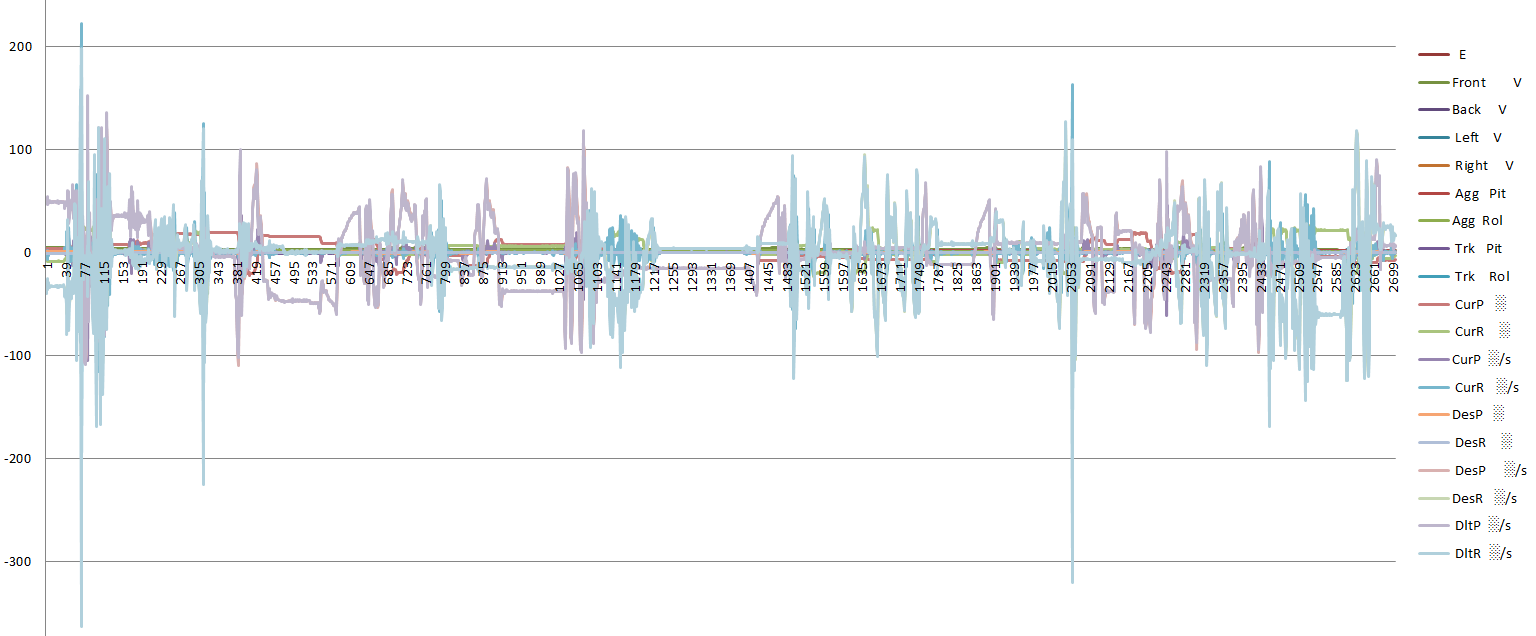
    The latency can be visualized as a phase shift in the attached Excel chart.

    I have a couple of theories to try for day 7 tests.  First, the static friction value should only be used initially if the current voltage above trim is less than the dynamic friction value.  Therefore we must also declare a dynamic friction value (in degrees per second).

    Second, I think we should try effecting a change on the system and then waiting 0.3 seconds for the results (EDIT: verified this was already the case).

    Finally I wanted to investigate the desired rate calculation… is 60°/s really necessary to adjust 20°?

    To speed things up I am also initializing the values for all the sliders to the most recent successful numbers.

  • Top Soil

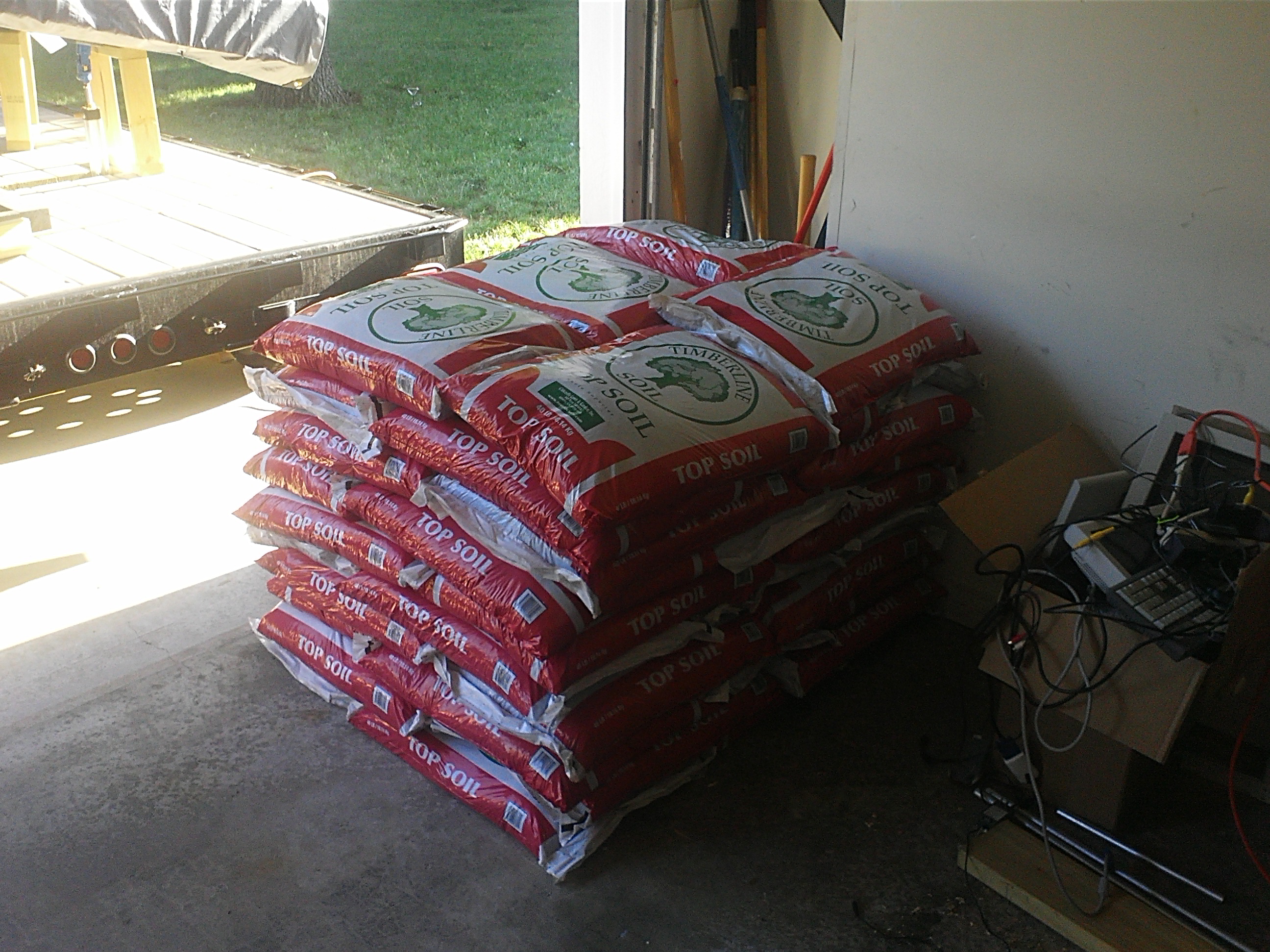
    Home Depot dropped the price from $1.25 to $0.98 per 40 pound bag.  I picked up 50 yesterday (1 ton) to eventually load-test the platform.

  • Motion Tests Day 5

    Actually ran this test series yesterday and analyzed the data today.  It is becoming more apparent that acceleration is a factor we need to take into account.  We also will need intensify adjustments based on how well the last adjustment responded (i.e. if we call for 300°/s² and get 150, we need to double whatever we did in the last frame).

    It appears the transducers are more responsive than the 250ms latency I have seen published.  I am bumping up the master timer to 125ms to see if that fixes some of our weird occilations.

    There may be an fundamental design problem with the actuator attachment points.  In the design I thought that since the center of rotation of the double-cardan main joint was 5 inches below the bottom sheathing that the centers of rotation of the pitch/roll actuators needed to also be at 5 inches.  What I am seeing now is pressure on the linear bearings (especially roll actuators) as they try to “straighten” with the now translated extended rotation point.

    Is this the reason other 3DOF designs use 3 actuators instead of 4?  I thought it was to save coin and that the calculations for 4 actuators is actually easier since you have 2 dedicated to pitch and 2 dedicated to roll.

  • Motion Tests Day 4

    Yes, I know I didn’t document any findings from day 3 and that is because it was a complete regression.  We had some luck today and added a new feature – data recording!

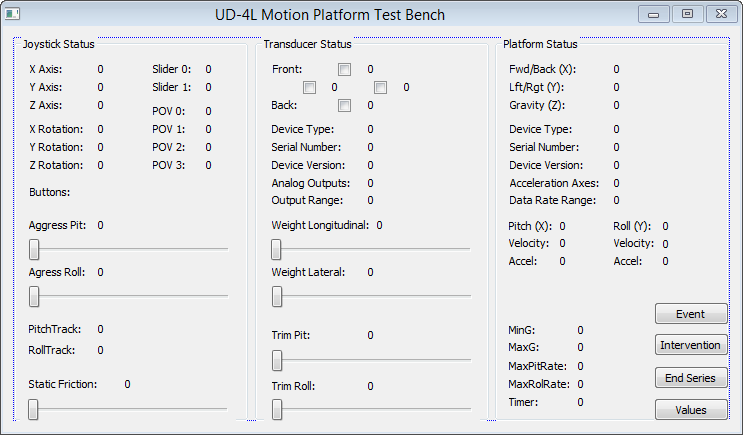
    We are definitely getting somewhere… with the goal to put weight on it soon.  Now I just have to make sense of the motion tests 5-26-2012 data.  I will need to add a separate “weight” slider for roll (lateral) than pitch (longitudinal) because the roll actuators are much more responsive.  I also need to figure up a minimum “overvoltage” to break static friction and get the platform moving on command.  The aggression should probably be divided by 10 so that we can select a more fine tuned value.

    On another note, testing these old Planar Toshiba LTM10C942 (640×480 10″) LCD monitors that run at 75Hz with the AV-620 works great (they don’t advertise the 640×480 because the Windows 7 UI doesn’t show it as an option but if you drill into Advanced Settings -> List All Modes you will see it in there.

  • Time Lapse Video

    [youtube http://www.youtube.com/watch/?v=A5GRX1W8Gis]

  • Motion Tests Day 2

    [youtube http://www.youtube.com/watch/?v=DMBKEIESbiY]

    [youtube http://www.youtube.com/watch/?v=Xcn35GwqW-4]

  • Avionics Parts

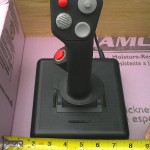
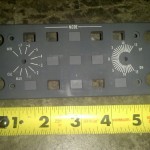
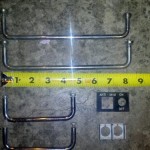
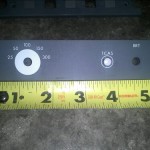
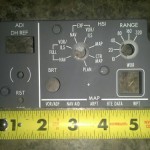
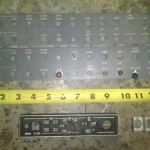
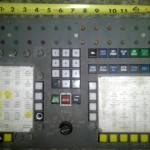
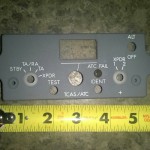
    Still waiting on the replacement transducer (don’t get me started) I thought I would catalog the parts I have left over from the Audrey and start layout out the consoles.